Tackling Anxiety: Your Guide to Finding Relief
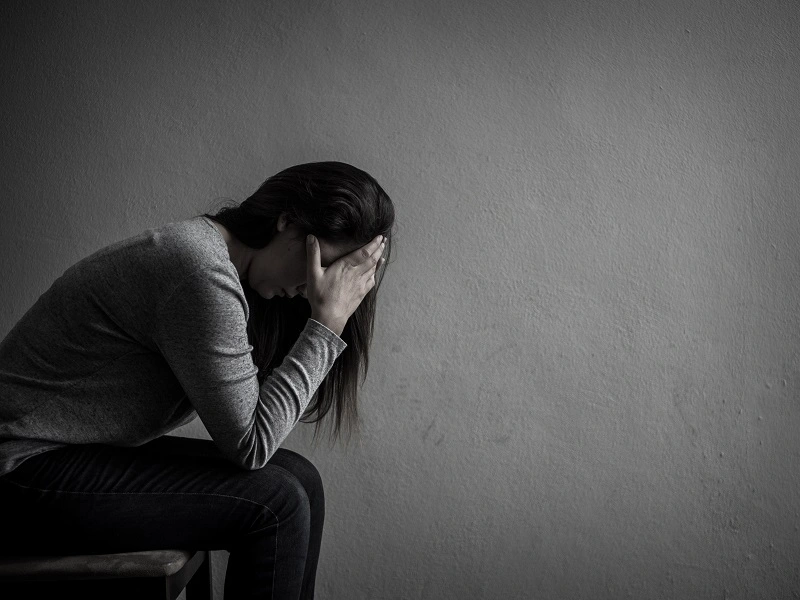
Anxiety is a common human experience, but when it becomes overwhelming and persistent, it can significantly impact your quality of life. Whether you're dealing with generalized anxiety, social anxiety, or panic attacks, finding effective relief is crucial. This article will delve into various strategies, from lifestyle adjustments to mental exercises, that can help you manage anxiety and regain a sense of calm.
Understanding the Roots of Your Anxiety
Before diving into relief methods, it's helpful to understand what might be fueling your anxiety. Anxiety can stem from a combination of genetic, environmental, and psychological factors. Some common triggers include:
Stressful life events: Job loss, relationship issues, or financial difficulties.
Underlying medical conditions: Thyroid problems, heart conditions, or chronic pain.
Substance use: Alcohol, caffeine, or recreational drugs.
Mental health conditions: Depression, PTSD, or other anxiety disorders.
Personality traits: Perfectionism, negativity bias, or a tendency to worry.
Identifying your specific triggers can help you tailor your anxiety relief strategies and take proactive steps to minimize exposure.
The Role of Mindfulness in Reducing Anxiety
Mindfulness is the practice of paying attention to the present moment without judgment. It involves focusing on your thoughts, feelings, and sensations without getting carried away by them. Mindfulness can be a powerful tool for anxiety relief because it helps you:
Notice anxious thoughts: Become aware of your anxious thoughts as they arise, rather than getting swept up in them.
Detach from thoughts: Recognize that your thoughts are just thoughts, not necessarily facts or reflections of reality.
Focus on the present: Shift your attention away from worries about the future or regrets about the past, bringing you into the here and now.
Accept your experience: Allow your anxious feelings to be present without trying to suppress or change them, which can often backfire.
There are many ways to practice mindfulness, such as meditation, deep breathing exercises, or simply paying attention to your senses while doing everyday activities. Regular mindfulness practice can help you develop a greater sense of calm and resilience in the face of anxiety. Studies have shown that mindfulness-based interventions can significantly reduce anxiety symptoms and improve overall well-being.
Simple Breathing Techniques for Immediate Calm
When anxiety strikes, your breathing often becomes shallow and rapid, which can exacerbate your symptoms. Learning simple breathing techniques can help you regain control and calm your nervous system. Here are a few effective techniques:
Diaphragmatic breathing (belly breathing): Place one hand on your chest and the other on your belly. Inhale slowly through your nose, allowing your belly to rise while keeping your chest relatively still. Exhale slowly through your mouth, allowing your belly to fall. This type of breathing activates the parasympathetic nervous system, which promotes relaxation.
4-7-8 breathing: Inhale deeply through your nose for a count of 4, hold your breath for a count of 7, and exhale slowly through your mouth for a count of 8. Repeat this cycle several times. The longer exhale helps to slow your heart rate and calm your mind.
Equal breathing: Inhale and exhale for the same count (e.g., 4 counts in, 4 counts out). This technique helps to balance your nervous system and promote a sense of equilibrium. Practice these techniques regularly, even when you're not feeling anxious, so you can easily access them when you need them most.
The Power of Physical Activity in Managing Anxiety
Exercise is not just good for your physical health; it's also a powerful tool for managing anxiety. When you exercise, your body releases endorphins, which have mood-boosting and stress-reducing effects. Regular physical activity can also:
Reduce muscle tension: Anxiety often leads to muscle tension, which can contribute to feelings of discomfort and unease. Exercise helps to release this tension and promote relaxation.
Improve sleep: Anxiety can disrupt sleep, leading to a vicious cycle of anxiety and sleeplessness. Exercise can improve sleep quality, making you feel more rested and resilient.
Boost self-esteem: Achieving fitness goals can boost your self-esteem and confidence, which can help you feel more capable of handling challenges.
Provide a distraction: Exercise can provide a healthy distraction from anxious thoughts and worries, allowing you to focus on the present moment.
Choose an activity you enjoy, whether it's walking, running, swimming, dancing, or yoga. Aim for at least 30 minutes of moderate-intensity exercise most days of the week.
Creating a Soothing Environment
Your surroundings can have a significant impact on your anxiety levels. Creating a soothing and calming environment can help you feel more relaxed and at ease. Here are some tips for designing a more anxiety-friendly space:
Declutter: Clutter can be visually overwhelming and contribute to feelings of stress. Clear out unnecessary items and organize your space to create a sense of order and calm.
Use calming colors: Opt for soft, muted colors like blues, greens, and grays, which have been shown to have a calming effect.
Add natural elements: Bring nature indoors with plants, flowers, or natural light. Studies have shown that exposure to nature can reduce stress and improve mood.
Incorporate comforting scents: Use essential oils like lavender, chamomile, or sandalwood, which have relaxing properties. You can diffuse them, add them to a bath, or use them in a massage.
Create a relaxation corner: Designate a specific area in your home where you can go to relax and unwind. Fill it with comfortable furniture, soft blankets, and calming items like books, music, or art supplies.
The Importance of a Balanced Diet for Mental Well-being
What you eat can significantly impact your mood and anxiety levels. A balanced diet that's rich in nutrients and low in processed foods can help support your mental well-being. Here are some dietary tips for anxiety relief:
Eat regular meals: Skipping meals can cause blood sugar levels to drop, which can lead to irritability and anxiety. Aim to eat three balanced meals a day, plus healthy snacks if needed.
Focus on whole foods: Choose whole, unprocessed foods like fruits, vegetables, whole grains, lean protein, and healthy fats. These foods provide essential nutrients that support brain function and mood regulation.
Limit caffeine and alcohol: Caffeine can exacerbate anxiety symptoms, while alcohol can interfere with sleep and worsen anxiety over time. Try to limit your intake of these substances.
Stay hydrated: Dehydration can lead to fatigue and irritability, which can worsen anxiety. Aim to drink plenty of water throughout the day.
Consider supplements: Some supplements, like magnesium, omega-3 fatty acids, and probiotics, have been shown to have anxiety-reducing benefits. Talk to your doctor before taking any supplements to ensure they're safe and appropriate for you.
Seeking Professional Support
While self-help strategies can be effective for managing mild to moderate anxiety, it's important to seek professional support if your anxiety is severe or interfering with your daily life. A therapist or psychiatrist can help you:
Identify the root causes of your anxiety: They can help you explore underlying issues and patterns that may be contributing to your anxiety.
Develop coping skills: They can teach you effective coping strategies, such as cognitive-behavioral therapy (CBT), which helps you change negative thought patterns and behaviors.
Consider medication: In some cases, medication may be necessary to manage anxiety symptoms. A psychiatrist can help you determine if medication is right for you and prescribe the appropriate treatment.
Provide ongoing support: They can provide ongoing support and guidance as you work to manage your anxiety and improve your mental health.
Conclusion
Finding relief from anxiety is a journey that involves understanding your triggers, practicing self-care strategies, and seeking professional support when needed. By incorporating mindfulness, breathing techniques, exercise, a soothing environment, a balanced diet, and professional help into your life, you can take control of your anxiety and live a more peaceful and fulfilling life.
FAQ
What are some quick ways to relieve anxiety in the moment?
Deep breathing exercises, mindfulness techniques, or taking a short walk can provide immediate relief.
Is anxiety a sign of weakness?
No, anxiety is a common mental health condition that can affect anyone.
Can diet really affect my anxiety?
Yes, a balanced diet that's rich in nutrients and low in processed foods can help support your mental well-being.
When should I seek professional help for my anxiety?
If your anxiety is severe or interfering with your daily life, it's important to seek professional support.
Post a Comment for "Tackling Anxiety: Your Guide to Finding Relief"